When your business needs extra storage, finding additional space seems like a simple enough solution. However, choosing the wrong storage option can actually create more challenges. You may end up with inventory that is difficult to access, employees making extra trips across town, or expenses that do not fit your budget.
This is why many business owners wonder which is better, a temporary storage facility or a storage trailer rental? The answer depends on how your business operates and how you plan to use the space.
In this guide, we'll walk through the differences between storage trailers and temporary storage facilities so you can make a confident decision based on your business’s unique needs.
What Is a Temporary Storage Facility?
A temporary storage facility is an off-site location where businesses can rent storage space for inventory, equipment, supplies, records, or other materials. These facilities range from smaller self-storage units to larger warehouse-style spaces.
A temporary storage facility may make sense for businesses that:
- Need long-term storage for excess inventory or equipment
- Require a large amount of space for extended periods of time
- Have stored items that are not needed on a daily basis
- Have staff available to transport materials to and from the facility
For example, a seasonal landscaping company might store equipment in a temporary storage facility during the winter months. In this situation, having storage off-site often does not create major disruptions to daily operations.
What Is a Rented Storage Trailer?
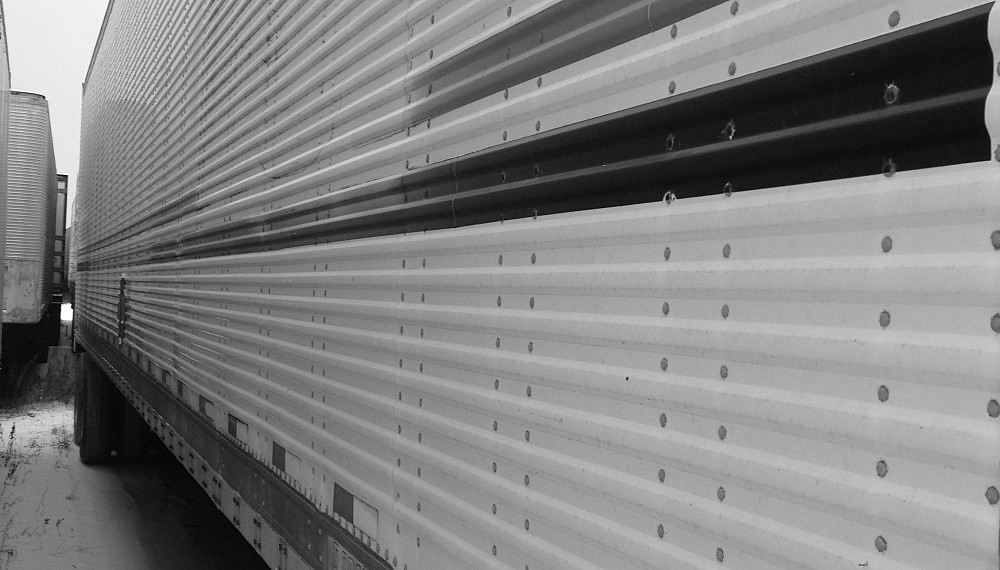
A storage trailer is a secure trailer placed directly at your business’s facility, warehouse, or jobsite. Businesses commonly rented storage trailers when they need extra space without losing convenient access to their inventory or equipment. Unlike a temporary off-site facility, a storage trailer keeps the materials where the work is happening.
Businesses often use a storage trailer rental for:
- Construction jobsites
- Retail inventory overflow
- Manufacturing materials and supplies
- Seasonal equipment storage
- Temporary warehouse expansion
- Renovation and remodeling projects
Many businesses also appreciate the flexibility of an onsite storage trailer, which can often be delivered quickly and picked up whenever the project is complete.
Key Comparisons Between Trailers and Facilities
Access and Convenience
One of the biggest differences between storage trailers and temporary storage facilities is accessibility. With a temporary storage facility, employees typically need to travel to another location anytime items are needed. This may not seem like a major issue until those trips start adding up.
A storage trailer, on the other hand, keeps inventory and supplies right where employees need them. For businesses that rely on daily access, on-site cargo storage can save significant time and improve efficiency.
Security and Weather Protection
Both trailers and storage facilities can provide secure and weather-resistant storage. Temporary storage facilities often offer gated access, cameras, and controlled entry systems while storage trailers provide secure, lockable space that remains on your property or job site.
The best choice depends on your operation. Some businesses prefer the oversight of a dedicated facility, while others value keeping materials close by where they can monitor them directly.
Cost Predictability
Storage costs are not always straightforward. With a temporary storage facility, you should consider transportation costs, employee travel time, fuel expenses, and the operational impact of retrieving materials.
Storage trailers for rent simplify those costs because the storage stays on-site. There is no need for regular trips back and forth. While every situation is different, many businesses find that on-site storage helps reduce the hidden costs associated with off-site storage.
Flexibility and Timelines
Business needs can change quickly. A temporary storage facility may require longer commitments or fixed lease terms depending on the provider.
Storage trailers, however, are well-suited for short-term projects, seasonal needs, and temporary increases in inventory. They can be added when needed and removed when the extra space is no longer necessary. For businesses dealing with ever-changing workloads, this type of flexibility is vital.
Storage Examples in Real Life
Different industries have different storage challenges. Here are a few examples of how storage trailer rentals can help solve some of the most common issues.
Construction
A contractor managing multiple job sites needs tools, equipment, and materials available every day. A storage trailer allows crews to keep everything on-site, reducing travel time and helping projects stay on schedule.
Retail
A retailer preparing for a busy holiday season needs extra space for incoming inventory. Rather than leasing additional warehouse space, renting a storage trailer and placing it directly behind the store provides easy access for quick turnover.
Manufacturing
Manufacturers often experience fluctuations in inventory and production schedules. A storage trailer provides temporary overflow space for raw materials or finished goods without requiring a long-term facility commitment.
Brockman Helps Businesses Choose
At Brockman Trailers, we know there is no one-size-fits-all storage solution. Sometimes a temporary storage facility is the better fit. Other times, a storage trailer provides the convenience, flexibility, and access a business needs. Our goal is to help businesses evaluate their situation and find a practical solution that supports their operations.
Next time you’re searching for storage trailers for rent, or looking for a storage solution that fits your business, contact Brockman Trailers today to discuss your needs and compare options.
 Trailer Rental in Minnesota and Wisconsin